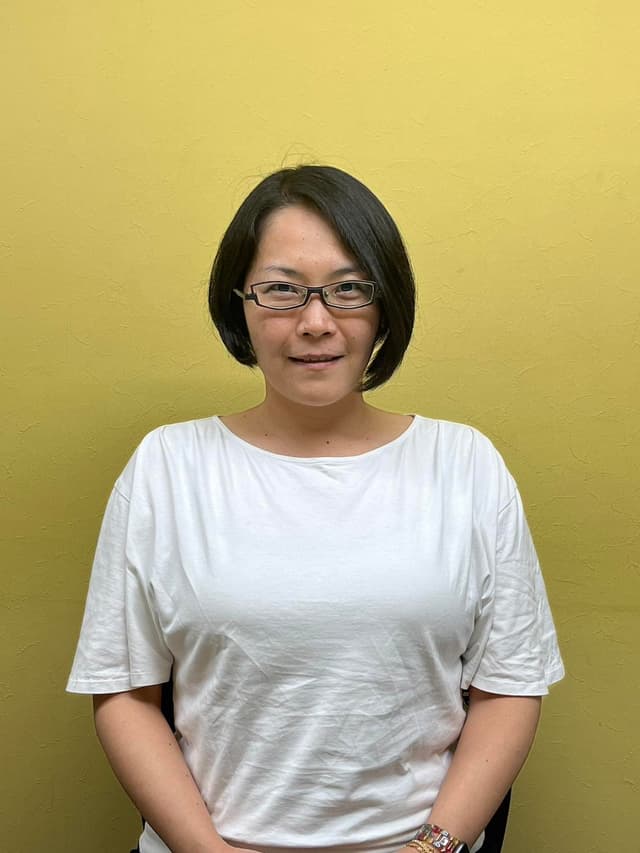
Professor Naito
We are pleased to introduce Professor Naito from Chiba Prefecture. In particular, Professor Naito will discuss Shizuoka's specialty, 'Ocha Yokan' (Tea Yokan). She will also talk about 'Kuri Kanoko' from Nagano Prefecture. Shizuoka Prefecture is known for its rich cultural heritage and gastronomy, and Professor Naito brings first-class experience and insights into the region's unique confectionery culture.
Why is Ocha Yokan famous in Shizuoka Prefecture?
Ocha Yokan is famous in Shizuoka Prefecture because Shizuoka is one of Japan's leading tea-producing regions. The tea grown in this region is known for its high quality, and various products using tea have been developed. Ocha Yokan is a Japanese sweet made using Shizuoka's high-quality tea, and the rich flavor of the tea perfectly matches the sweetness of the yokan, making it loved by many people.
Why is Kuri Kanoko famous in Nagano Prefecture?
Regarding why Kuri Kanoko is famous in Nagano Prefecture, it's less about a specific regional specialty and more about Nagano Prefecture in Tokyo being known as a place where diverse food cultures converge. Kuri Kanoko is a Japanese sweet made with chestnuts, known for its delicate sweetness and the natural flavor of chestnuts, making it particularly popular among Japanese sweet enthusiasts. Nagano Prefecture has many wagashi (Japanese confectionery) shops, and some of them offer high-quality Kuri Kanoko, which might be why it has become famous.
What is the texture and taste of Ocha Yokan and Kuri Kanoko?
The texture and taste of Ocha Yokan are characterized by its moist, melt-in-your-mouth texture. The taste is a perfect balance of the slightly bitter tea and the sweetness of the yokan, with a refreshing aftertaste of tea. The texture and taste of Kuri Kanoko feature the contrast between the grainy texture of chestnuts and the smoothness of the sweet bean paste. The taste is the natural sweetness and depth of chestnuts, with an elegant sweetness that spreads in your mouth.
What onomatopoeia would you use for Ocha Yokan and Kuri Kanoko?
For onomatopoeia suitable for Ocha Yokan and Kuri Kanoko, 'torori' would be fitting for the smooth texture of Ocha Yokan, and 'hokuhoku' would be appropriate for the texture of chestnuts in Kuri Kanoko. These onomatopoeias perfectly express the characteristics of each wagashi.
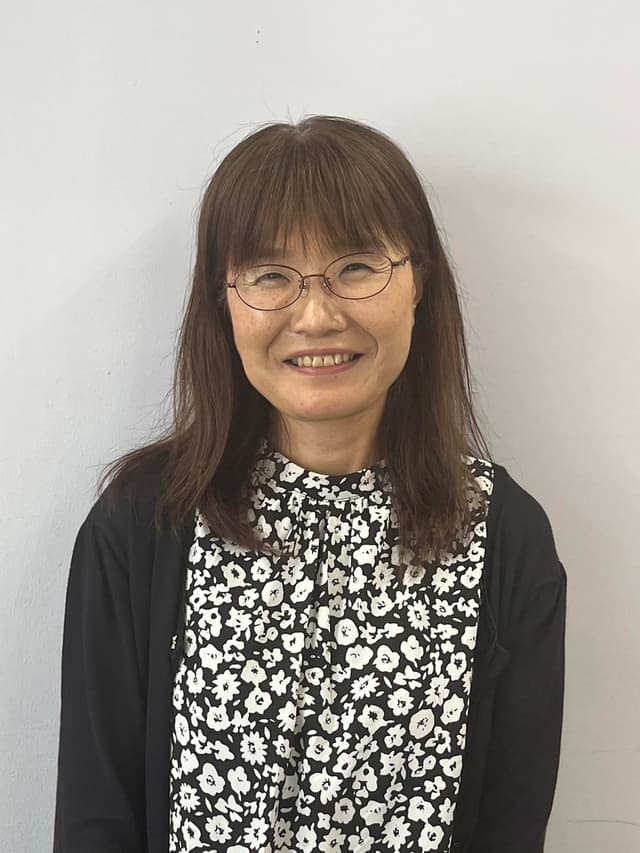
Professor Sakai
We are pleased to introduce Professor Sakai from Saitama Prefecture. Saitama Prefecture boasts vibrant cities and rich nature, and Professor Sakai has a deep love and knowledge of local sweets. She will present on 'Sanji no Anpan' and 'Funawa Dorayaki,' representative sweets of Saitama Prefecture.
Why are Sanji no Anpan and Funawa Dorayaki famous in Saitama Prefecture?
Professor Sakai: They suggest that factory tours and information sharing through social media have contributed to their popularity. Especially, there are mentions of enjoyable family experiences during factory visits and references to these sweets as particularly famous in the region. The background of these sweets becoming famous may include the long history and tradition in the region or the local people's affection for specific products.
What are the texture and taste of Sanji no Anpan and Funawa Dorayaki?
Professor Sakai: Regarding Sanji no Anpan, the bread part is described as very soft and fluffy. For Funawa Dorayaki, it is characterized by a chewy texture and moist sweetness. Inside the dorayaki, there is a filling of red bean paste and sweet potato sticks, creating a unique flavor.
What onomatopoeia would you use for Sanji no Anpan and Funawa Dorayaki?
Professor Sakai: For Sanji no Anpan, 'fluffy' (ふわふわ) is used to describe its soft texture. For Funawa Dorayaki, 'chewy' (もちもち) and 'moist' (しっとり) are appropriate onomatopoeias for its texture and filling. Additionally, 'crispy' (カリカリ) might be suitable to describe the slightly hard exterior of the dorayaki.
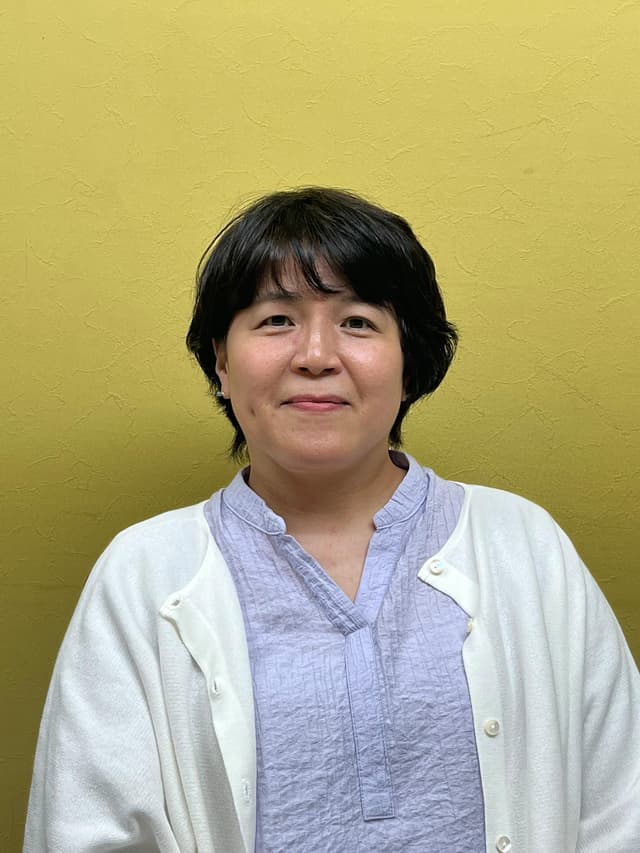
Professor Kuramoto
We are pleased to introduce Professor Kuramoto from Hiroshima Prefecture. Hiroshima is known for its scenic beauty and rich history, and Professor Kuramoto possesses deep knowledge and passion for the sweets of this region. She will present on Hiroshima's traditional sweet 'Age Momiji', as well as new flavors offered by 'Sweet and Sour Lemon Cake' and 'Kawadori Mochi'.
Why are Age Momiji, Sweet and Sour Lemon Cake, and Kawadori Mochi famous in Hiroshima Prefecture?
Professor Kuramoto: Age Momiji, Sweet and Sour Lemon Cake, and Kawadori Mochi are famous in Hiroshima Prefecture because each reflects the characteristics and traditions of the region. Age Momiji is a deep-fried version of the traditional Momiji Manju, and has become popular among tourists as a novel sweet. Sweet and Sour Lemon Cake has developed because Hiroshima faces the Seto Inland Sea and has a warm climate where citrus fruits thrive, leading to the creation of lemon-based sweets. Kawadori Mochi has been cherished for its simplicity and tradition as one of Hiroshima's classic Japanese sweets.
What are the textures and tastes of Age Momiji, Sweet and Sour Lemon Cake, and Kawadori Mochi like?
Professor Kuramoto: Age Momiji has a crispy exterior with a warm, sweet filling inside, characterized by the contrast between the crunchy outside and the fluffy inside. Sweet and Sour Lemon Cake features a crispy lemon cream topping and a fluffy sponge cake inside that balances the tartness and sweetness of the lemon. Kawadori Mochi is coated in kinako (roasted soybean flour) and has a sticky texture with a gentle sweetness from the kinako.
What onomatopoeic words would you use to describe Age Momiji, Sweet and Sour Lemon Cake, and Kawadori Mochi?
Professor Kuramoto: For Age Momiji, the words 'crunchy' (pari-pari) and 'juicy' (juwa) are fitting. For Sweet and Sour Lemon Cake, 'crisp' (pari-pari) describes the lemon cream texture and 'fluffy' (fuwa-fuwa) describes the sponge cake's softness. For Kawadori Mochi, 'sticky' (neba-neba) accurately captures the texture of the mochi.